
AI Content Migration: Decades of Press Coverage Digitized in Minutes
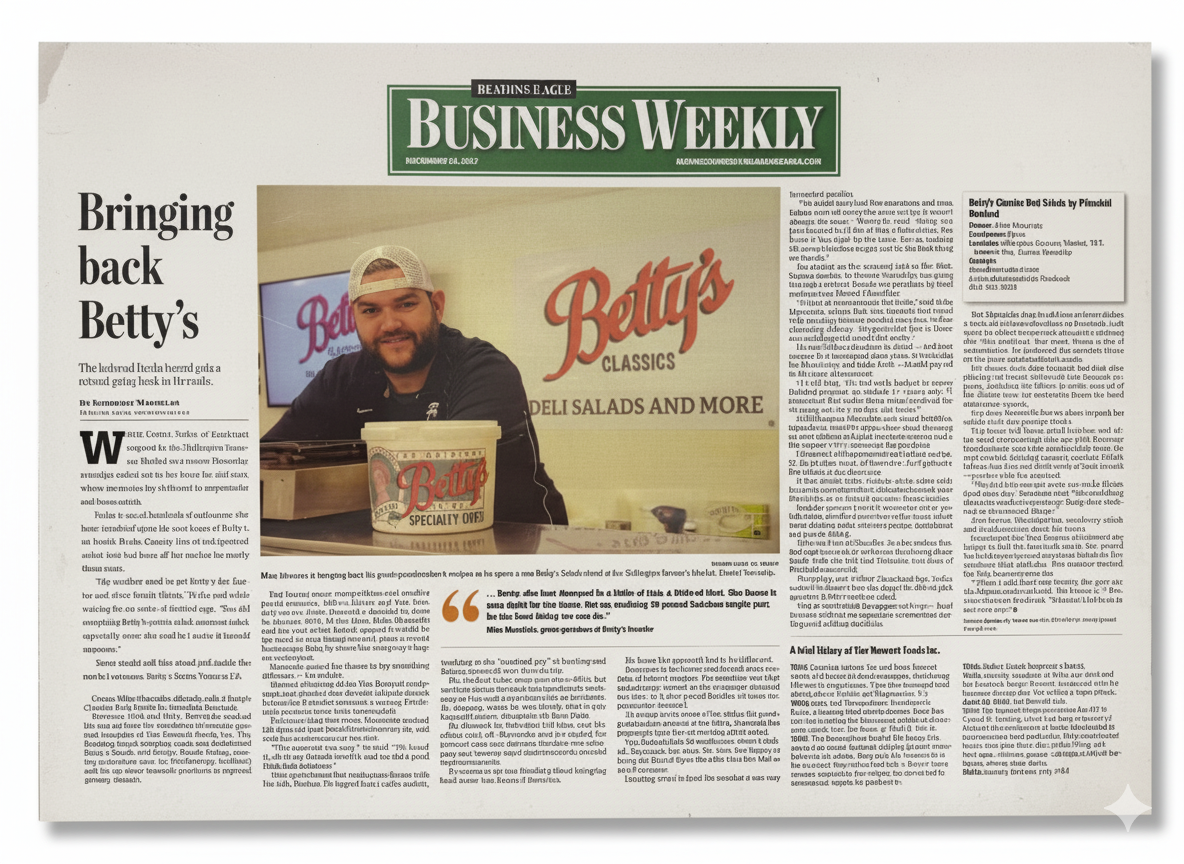
Sean used Google’s Nano Banana to photograph, restore, extract, and resize 30+ years of press coverage in a fraction of the time traditional methods would require.

Author
Sean Edgington
Date
Category
Digital Marketing
Introduction
Pilsudski Mustard has been featured in newspapers and magazines for decades. The problem: all those articles existed as physical clippings hanging in their office, not on their Shopify website where customers could actually see them.
Sean used Google’s ImageFX to photograph, restore, extract, and resize 30+ years of press coverage in a fraction of the time traditional methods would require. What would have taken hours of manual transcription and Photoshop work happened in minutes.
The Challenge
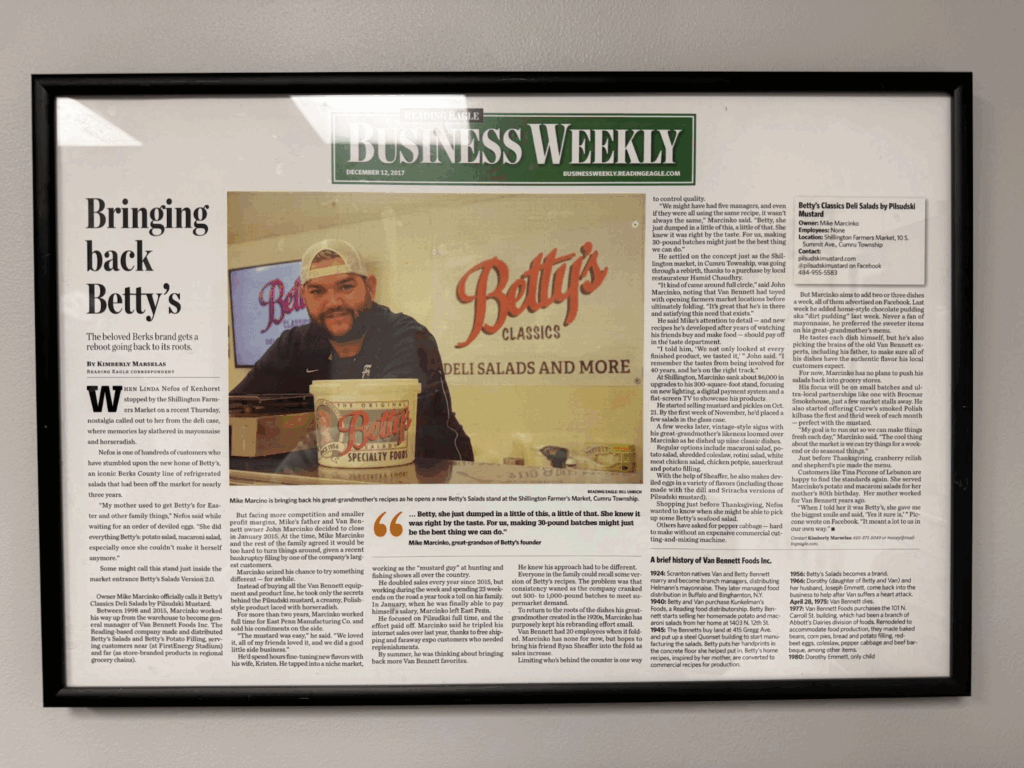
Pilsudski Mustard, one of our long-standing brand clients, wanted their company history and media recognition showcased on their website. They had numerous newspaper articles, magazine features, and press write-ups—all existing as physical clippings posted around their office.
Getting this content online the traditional way meant multiple time-consuming steps: photograph each article, manually retype all the text (at least an hour per article), edit the photos in Photoshop to remove shadows and distortion from iPhone photography, resize images for web display, and format everything for their Shopify site.
For a catalog of historical articles spanning decades, that’s days of work. Most businesses never complete projects like this because the manual effort doesn’t justify the outcome.
Our Approach
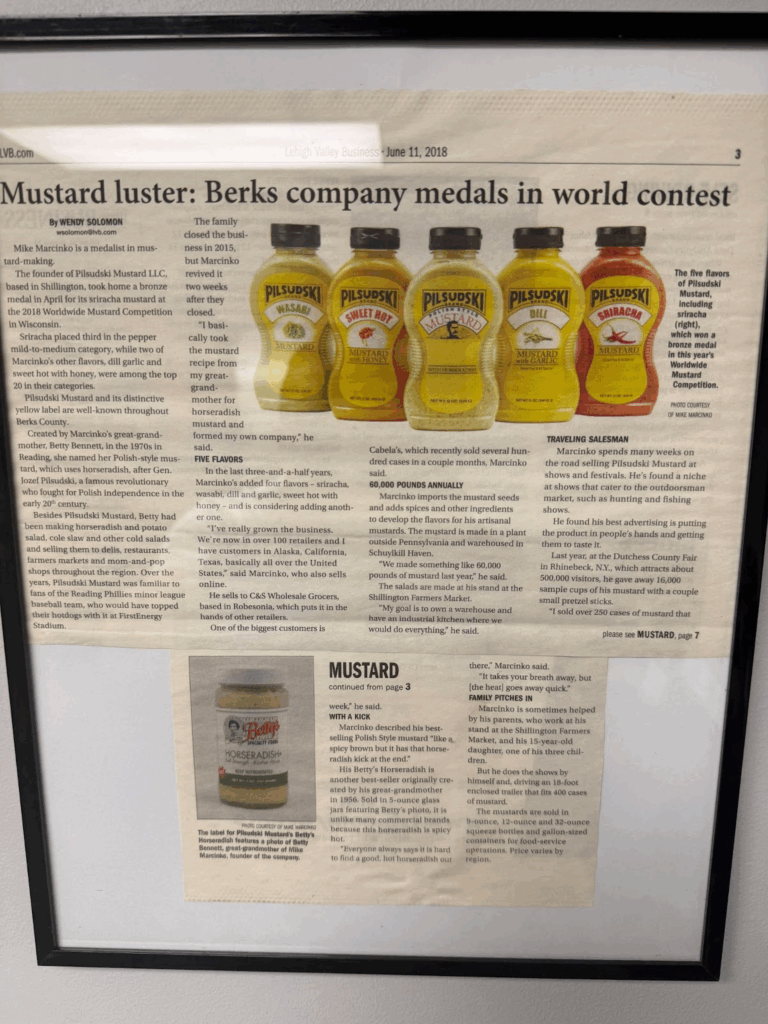
Sean took iPhone photos of the physical articles—simple snapshots, nothing fancy. These photos had typical issues: shadows, angles, wrinkled paper, faded text, and inconsistent sizing.
He ran each photo through Google’s ImageFX with prompts to: restore the image quality (remove shadows and distortion), straighten and crop to article boundaries, enhance text readability, and resize appropriately for web display.
The AI did something unexpected: it didn’t just retouch the photos. It performed OCR (optical character recognition) on the text within each image and provided the full article text as output.
This meant Sean got three deliverables from one AI process: professionally retouched article images ready for web display, extracted text for SEO and accessibility purposes, and proper sizing for Shopify’s content requirements.
He used the extracted text to create formatted page content on the Shopify site, paired with the retouched images. The result: searchable, readable, properly formatted historical content that preserves the authenticity of the original press coverage while making it functional for modern web use.
The Result
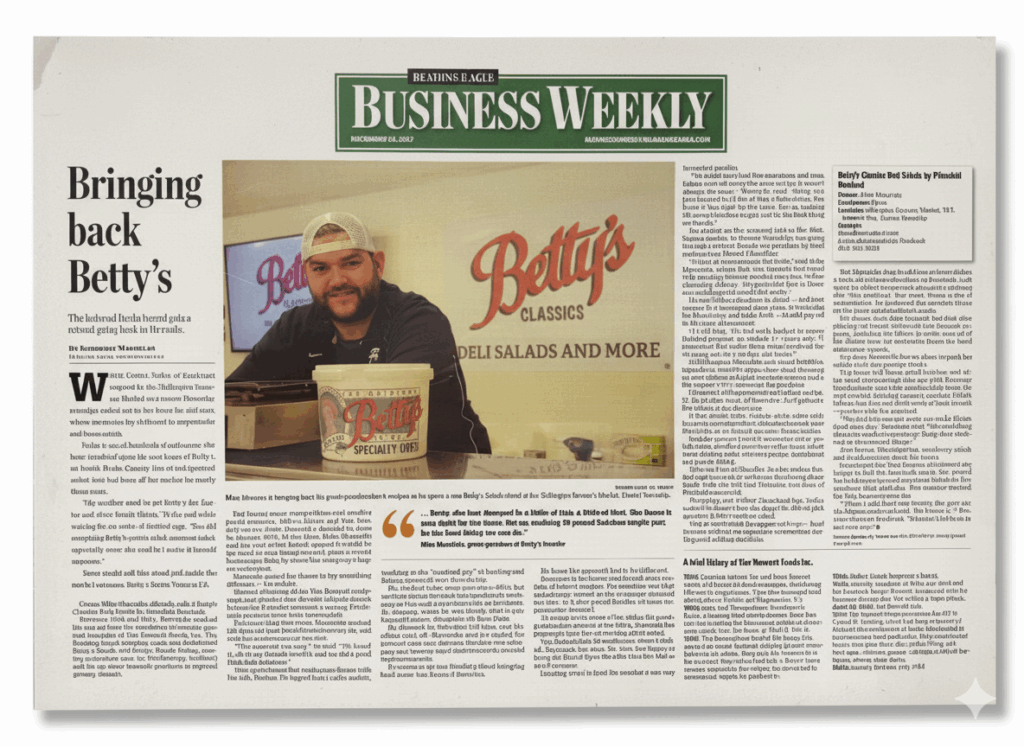
30+ years of press coverage digitized and published on Pilsudski Mustard’s website. The entire process—from iPhone photos to live website content—took hours instead of days.
Traditional approach time estimate: 1+ hours per article for manual transcription alone, plus additional Photoshop work for image restoration and resizing. For their collection, that’s 30-50 hours of manual work.
Actual time with AI tools: Minutes per article for photo capture and AI processing, then standard content formatting time for Shopify.
The client now has their company history properly showcased online. Customers can read about their heritage and media recognition. The content is searchable, which helps with SEO. The images look professional despite coming from iPhone snapshots of aging paper clippings.
Why This Works
AI image tools have evolved beyond basic filters and adjustments. Modern AI can understand document structure, restore degraded images, extract text, and optimize for specific use cases—all in one process.
This is practical AI implementation: solving real business problems that would otherwise require multiple specialized tools (scanner, OCR software, Photoshop) and significant manual effort.
The business value isn’t just time savings. It’s about making projects feasible that businesses would otherwise never complete. Pilsudski Mustard’s history was sitting in their office, invisible to customers, because digitizing it properly seemed too time-intensive. AI tools removed that barrier.
For e-commerce brands with physical archives—old catalogs, press coverage, historical product information—this same approach makes previously impractical content projects suddenly achievable.
Historical content sitting in filing cabinets doesn’t help customers. AI tools can move it online where it actually builds brand value and trust.